

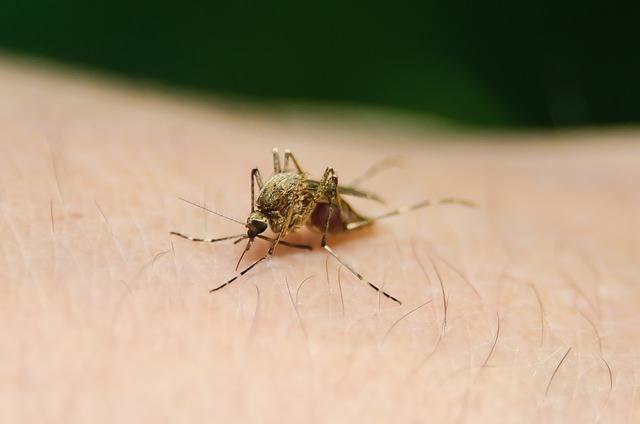
Scientists at the Deaconess Medical Centre at Harvard Medical School in Boston, USA, have discovered two potential vaccinations against the Zika virus challenge in mice, according to a new study published in Nature today.
The study shows that a single immunization with a DNA vaccine or PIV vaccine provided “complete protection against parenteral ZIKV challenges in mice”. The researchers have discovered that the vaccines “afforded protection in three strains of mice and against both ZIKA-BR and ZIKV-PR challenges, suggesting the generalizability of these observations”, according to this new research.
The Zika virus has recently been regarded as a medical emergency across much of Central and South America with 1.5 million cases being reported in Brazil alone since the outbreak began, as reported by the WHO. Further implications of the virus such as microcephaly-a birth defect whereby the baby’s head is smaller than usual due to incomplete brain development- have placed much of the world in a mode of panic. This condition is seen when pregnant women contract the virus, which is then transferred to the baby via the placenta and on 30th January, the Ministry of Health of Brazil reported 4783 individual cases.
The vaccines themselves involve specialised DNA sequences and inactive forms of the Zika virus being injected into the body which in the trial involving mice led to immune responses that began to attack the virus. This is a similar mechanism used to combat other types of flavivirus such as yellow fever and Japanese encephalitis. As a result of these trials, the mice injected with the vaccine received full immunisation against the two strains of Zika; one from northeast Brazil, and the other from Puerto Rico, which promises much in terms of eventual human immunisation across the Americas.
However, the researchers have acknowledged that “It is difficult to extrapolate directly the results from these vaccine studies in mice to potential clinical efficacy in humans” but they recognise that recent breakthroughs “suggest a path forward for ZIKV vaccine development in humans.”
Alivia’s Medical Director, Dr. Tomas Nordlindh, commented from the company’s Zurich office:
“The devastating consequences the world has seen from the Zika epidemic has led to international attempts at creating a vaccine against this devastating virus. After reading the new Harvard study, we are hopeful that a cure will develop very soon.”
Alivia is monitoring the outbreak of the Zika virus in Central and South America closely for many of its clients and will continue to keep abreast of all medical intelligence related to its cure.
Unhappy with your treatment or diagnosis?
Recent Posts

Spotlight On: Prostate Cancer Treatment
Alivia’s “Spotlight On” series offer patients an all-in-one overview of some of the key treatment options for patients diagnosed with serious illness, including new exciting treatments too. In the UK, over 47,000 men are [...]

Could Going to Uni Put You at Risk of Serious Illness?
According to a recent study in Sweden, there is a link between higher education and increased brain tumour risk for certain types of brain tumour. The study recently published by the Journal of Epidemiology and [...]

Could Eating More Whole Grain Reduce Cancer Risk?
A recent publication in the BMJ has argued that consuming a minimum of three servings of whole grains a day can reduce your risk of developing heart diseases, cancers and other serious diseases. Involving 45 [...]
Social Links